April 24, 2026
As 2026 approaches, home design continues to move toward spaces that feel more personal, efficient, and visually intentional. One of the clearest examples of that shift can be seen in the changing role of fireplaces within modern interiors. What was once treated mainly as a source of heat is now often viewed as a statement feature that influences the mood, layout, and overall character of a room. Homeowners are no longer choosing a fire feature based only on output or fuel type. They are also thinking about scale, finish, placement, and how it connects with the surrounding architecture.
These changes reflect a broader movement in residential design where comfort and style work together instead of competing. A heating element is now expected to contribute to ambiance, complement furniture placement, and support a cohesive design vision. It is also increasingly common for buyers and designers to seek options that are cleaner, easier to manage, and more adaptable to everyday living. As a result, fireplaces are being reimagined through new shapes, materials, and technologies that better fit contemporary expectations. According to Precedenceresearch.com, the North America gas and solid fuels (wood) fireplaces market is estimated at USD 1.12 billion in 2025, highlighting the continued demand and innovation driving this evolving design category.
Modern Style Direction
One of the most noticeable trends heading into 2026 is the continued preference for sleek, simplified forms. Long horizontal layouts remain especially popular because they create a clean visual line and help rooms feel wider and more open. These styles work particularly well in contemporary homes where oversized windows, minimal trim, and open-concept floor plans are already doing much of the design work. Instead of overpowering the space, the fire feature becomes part of the architecture itself, contributing warmth without visual clutter.
Another strong trend is the move toward less ornamentation. Traditional mantels and bulky surrounds still have a place, but many homeowners are favoring streamlined presentations with fewer decorative interruptions. Recessed installations, flush finishes, and integrated media walls are becoming more common because they offer a polished look that feels current without seeming cold. In this way, fireplaces are evolving into refined design anchors that help establish a room’s identity while maintaining simplicity.
See-Through and Multi-View Features
Open floor plans continue to shape the direction of residential design, which is one reason see-through and multi-view units are gaining attention. These installations allow flame visibility from more than one angle, making them useful in spaces that need both division and connection. A feature placed between a dining room and living area, for example, can define separate zones while still preserving openness. That balance appeals to homeowners who want structure in a large layout without closing rooms off completely.
These designs also contribute to luxury and flexibility. In primary suites, they can create a visual bridge between the bedroom and bath area. In entertaining spaces, they make shared rooms feel more cohesive and inviting. The appeal is not limited to residential properties either, as hospitality and commercial environments also benefit from the atmospheric quality these units bring. More than ever, fireplaces are being selected for how they influence movement, visibility, and emotional tone within a space.
Corner and Space-Saving Solutions
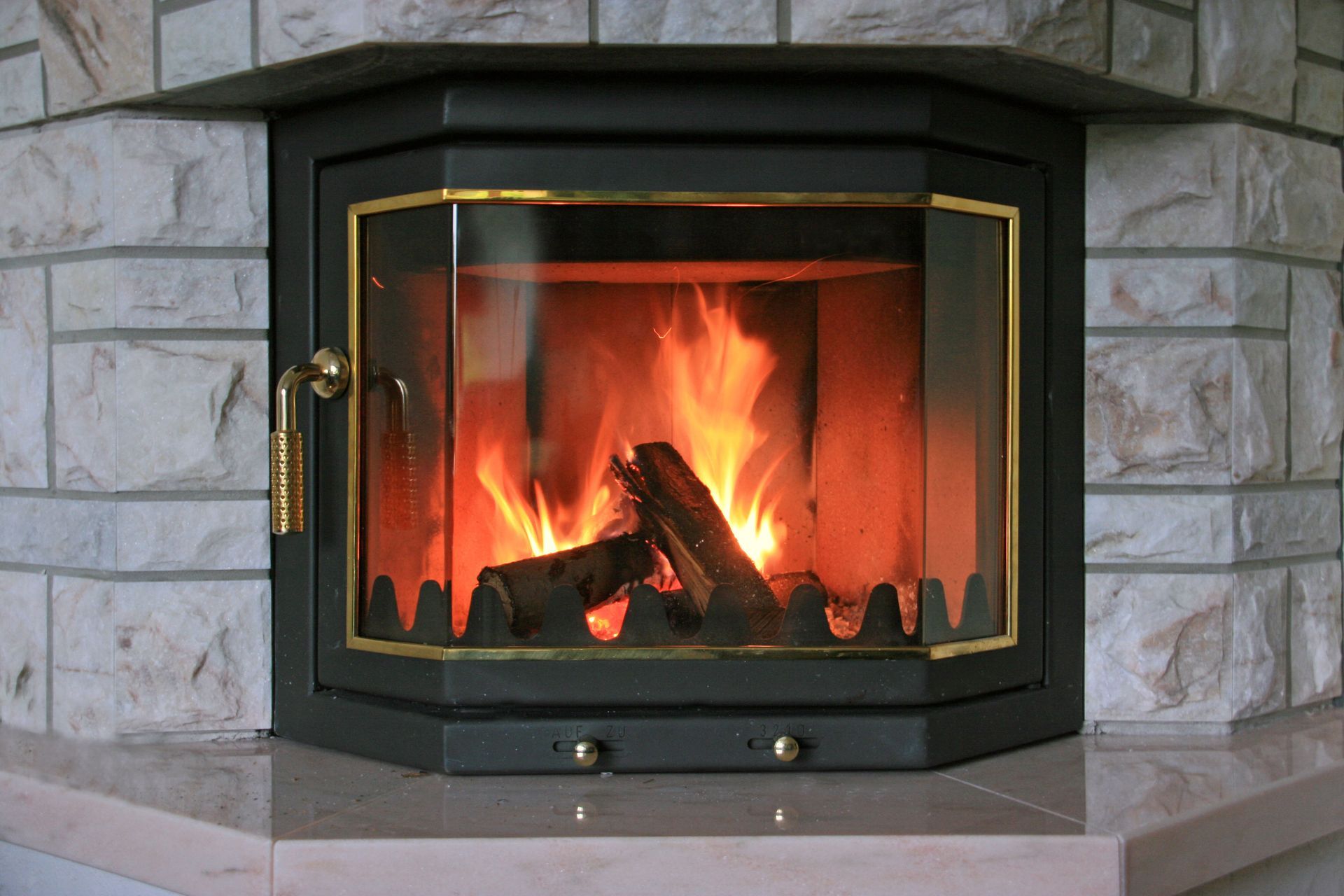
Not every home has the wall space for a dramatic centerpiece, which is why corner-focused and compact designs remain relevant. These layouts are especially useful in smaller homes, townhouses, apartments, and rooms where furniture placement is limited. By making use of underutilized corners or narrow walls, designers can add warmth and atmosphere without sacrificing floor area. This practical approach suits the growing demand for design choices that feel intentional rather than forced.
Compact options are also becoming more sophisticated in appearance. Homeowners no longer need to choose between efficiency and style, because even smaller units are now available in contemporary finishes and tailored profiles. Whether installed in a reading nook, bedroom, office, or secondary lounge, they can help transform overlooked areas into comfortable destinations. That ability to improve both function and mood is a major reason these features continue to hold value across a wide range of home sizes.
Floating and Wall-Mounted Appeal
Wall-mounted and floating designs are likely to remain highly visible through 2026 because they complement the clean, modern aesthetic many homeowners want. By lifting the feature off the floor or mounting it directly on a surface, designers create an airy effect that makes the room feel less crowded. This style pairs well with minimalist furnishings, built-in shelving, and entertainment walls, especially in urban settings where every inch of space matters.
These installations also encourage customization. They can be positioned at different heights, framed with lighting, or integrated into larger architectural compositions. Some are intentionally understated, while others are used to create dramatic contrast against stone, tile, or darker paint colors. Their popularity reflects a wider design preference for solutions that feel efficient, sculptural, and adaptable. In many new interiors, fireplaces are no longer separate objects but part of a complete wall composition.
Sustainable Design Influence
Sustainability continues to shape product development across the home industry, and fire feature design is no exception. Homeowners are increasingly interested in options that reduce mess, improve efficiency, and align with environmentally conscious priorities. Bio-ethanol models, electric alternatives, and high-efficiency gas systems have all gained attention because they offer cleaner operation and greater installation flexibility than older, more traditional setups. These choices appeal to people who want ambiance without the maintenance demands associated with wood-burning systems.
The design benefits are equally important. Cleaner-burning options often require less structural accommodation, which opens the door to more creative placements and sleeker forms. That freedom supports the contemporary preference for tailored interiors and helps explain why eco-minded products are becoming more visually refined as well. As consumer priorities continue to shift, fireplaces are expected to reflect not only personal style but also a homeowner’s values regarding comfort, efficiency, and environmental responsibility.
Material Trends and Surface Finishes
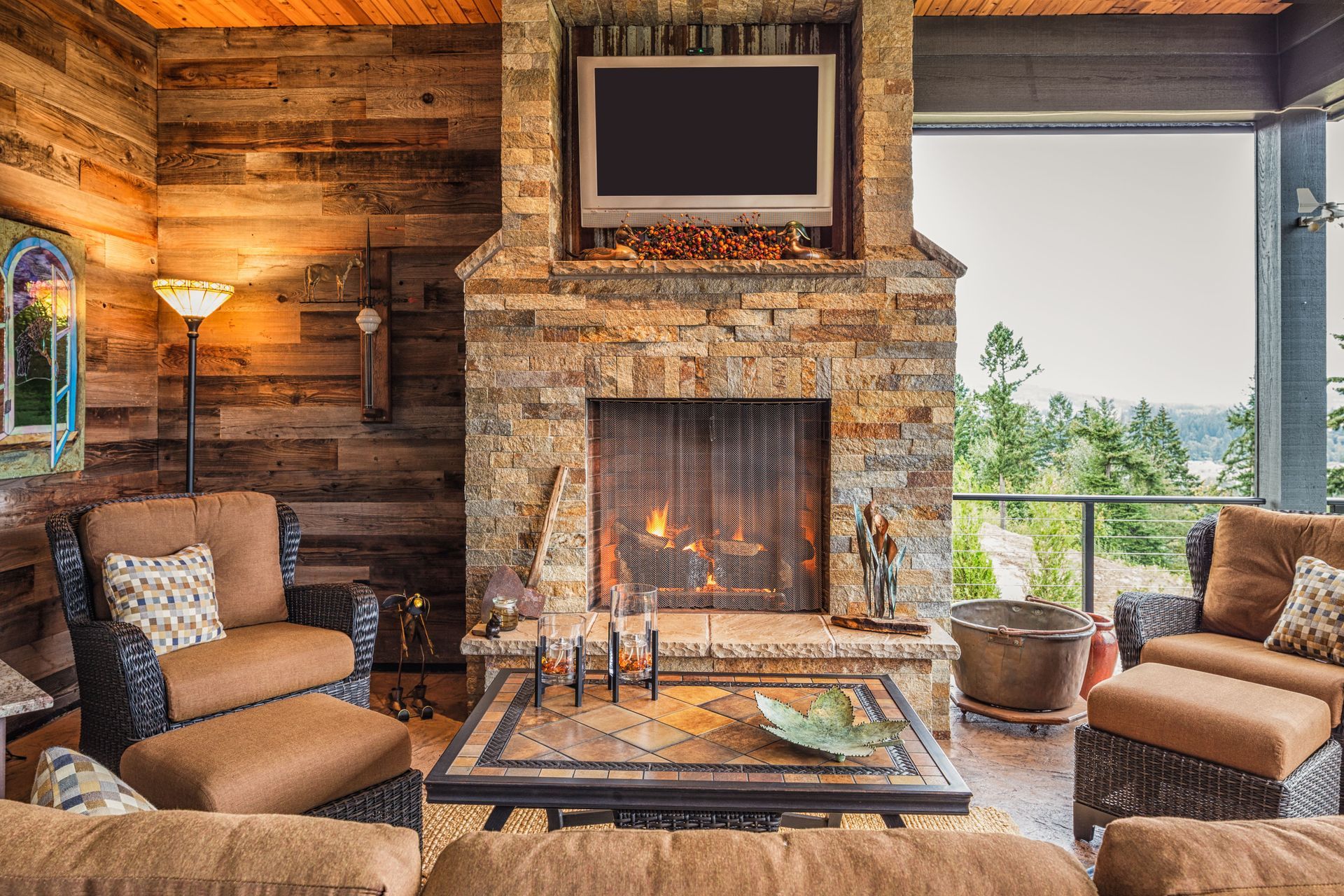
Material selection is playing a major role in how modern fire features are styled. Metallic finishes such as stainless steel, blackened steel, and brushed bronze continue to appeal to those who like a polished or industrial-inspired look. These finishes reflect light well, create sharp contrast, and pair naturally with glass. At the same time, natural materials remain important, especially for homeowners who want a warmer or more grounded appearance. Stone, textured plaster, concrete, and large-format tile are all being used in fresh ways that feel updated rather than overly rustic.
Texture is becoming just as important as color. Smooth polished surfaces create a sleek and upscale effect, while rougher finishes add depth and tactile interest. Designers are also mixing materials more confidently, combining stone with wood accents, tile with metal trim, or concrete with soft surrounding textiles. This layered approach helps fireplaces feel connected to the room rather than isolated from it. The result is a more curated appearance that supports both visual interest and architectural cohesion.
That shift toward customization helps explain why the category continues to evolve so quickly. Homeowners want spaces that feel comfortable, expressive, and suited to their routines, and design choices are increasingly expected to deliver all three. As 2026 draws closer, fireplaces will likely continue moving in a direction that blends beauty, practicality, sustainability, and smart functionality. Their role in the home is no longer limited to heat alone. They have become a meaningful part of how people define comfort, style, and the experience of modern living. Contact Best Clean Plus today and learn more about our fireplace maintenance services.