July 13, 2026
As the crisp autumn air transitions into the biting cold of winter, homeowners everywhere begin relying heavily on their supplemental heating appliances. Maintaining these rustic heating systems is absolutely vital for ensuring both the safety of your household and the optimal heating efficiency of your property. While the cozy ambiance of dancing flames brings immense comfort, neglecting routine upkeep can lead to dangerous indoor air quality issues or catastrophic chimney fires. By committing to a consistent care regimen, you can enjoy the comforting warmth of your home hearth without compromising on safety. Let us explore the best practices for keeping these systems pristine.
Inspecting the Flue for Hazardous Creosote Build-up
Sustaining a safe burning environment requires a thorough visual assessment of the internal venting system before lighting your first seasonal fire. Creosote is a highly flammable, tar-like byproduct of combustion that naturally adheres to the interior walls of your chimney liner over time. If this dark residue is allowed to accumulate significantly, it can easily ignite from a stray spark, triggering a dangerous chimney fire. Homeowners should utilize a bright flashlight to peer up the flue, checking for a flaky or shiny black coating along the bricks. Promptly identifying this dangerous accumulation allows you to address the hazard before it poses a threat.
Cleaning the Firebox and Hearth Areas Consistently
Removing accumulated debris from the combustion chamber ensures proper airflow and a cleaner burn for subsequent fires throughout the winter. While leaving a thin layer of ash can actually help insulate the next bed of coals, allowing excessive buildup restricts the vital oxygen supply. Wait at least twenty-four hours after your last fire has completely died out before attempting to shovel the cooled debris into a dedicated, non-combustible metal container. Sweeping the surrounding hearth area removes stray charcoal pieces and dust that could potentially damage your flooring or ignite from popping embers. Keeping this area neat preserves your indoor air quality.
Scheduling Your Professional Annual Chimney Sweep
Enlisting the expertise of a certified technician guarantees a deep, comprehensive decontamination that goes far beyond basic household brushing. Professional sweeps possess specialized vacuums, heavy-duty brushes, and advanced diagnostic cameras capable of detecting hidden structural flaws deep within your brick masonry or metal venting systems. According to Bottom Line Property Management, wood-burning fireplaces and stoves should be professionally cleaned after every 50-70 fires. This specific operational benchmark ensures that dangerous creosote levels are kept in check before they reach critical thickness. Investing in this regular service provides peace of mind that your heating system operates safely.
Examining the Door Gaskets and Glass Panels
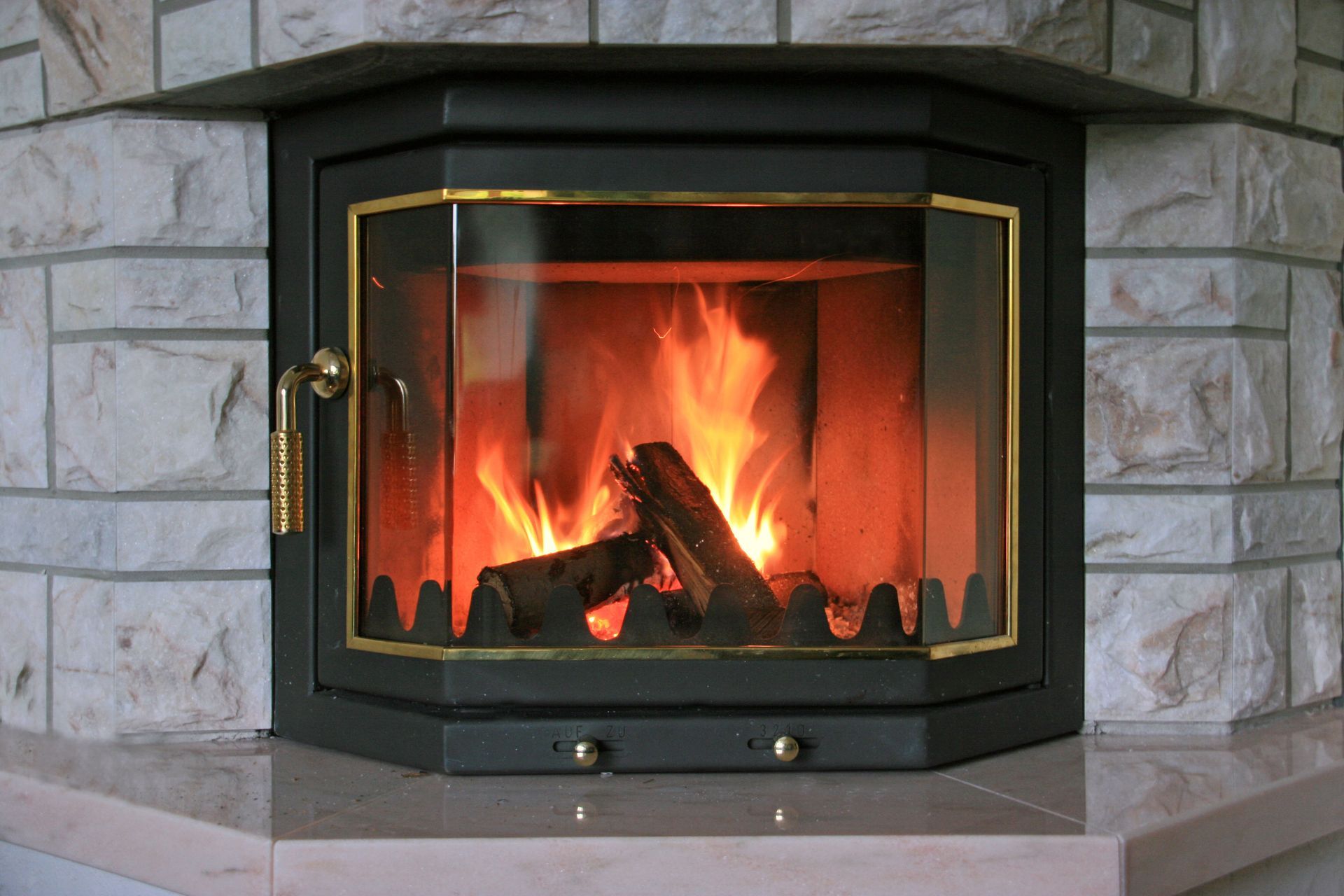
Maximizing the heating efficiency of enclosed wood stoves relies on maintaining an airtight seal around the heavy-loading doors. Over years of intense thermal cycling, the fiberglass rope gaskets lining the door frame will naturally degrade, harden, and lose their sealing capability. Replacing these worn components prevents uncontrolled room air from rushing into the firebox, which causes your fuel to burn away far too rapidly. Simultaneously, cleaning the ceramic glass viewing panels with a specialized conditioning paste allows you to monitor the fire clearly. This routine check guarantees that your appliance retains heat efficiently instead of wasting valuable fuel.
Choosing the Ideal Seasoned Hardwood Fuel Supply
Burning the correct type of timber makes an immense difference in how much soot your system produces. Green, freshly chopped logs retain a massive amount of internal moisture, which forces the fire to waste energy evaporating water rather than radiating comfortable warmth into your living room. This damp wood creates excessive smoke, leading to rapid soot accumulation within wood-burning fireplaces. Instead, you should exclusively burn dense hardwoods like oak, maple, or hickory that have been split and dried for at least six full months. Properly seasoned logs feel remarkably light, exhibit dark cracks, and ring hollow when struck.
Checking the Damper and Flue Controls Routinely
Verifying the smooth operation of your internal draft controls is essential for regulating the intensity of your fire. The metal damper plate must open completely to allow smoke and toxic combustion gases to escape freely up through your chimney. If the mechanism becomes warped from extreme heat or jammed with falling soot, it can cause dangerous carbon monoxide to back up into your home. Lubricating the moving pivot points with a high-temperature graphite spray ensures effortless operation when you adjust the airflow. Confirming that this hardware functions properly before striking a match prevents smoky backdraft emergencies in your living spaces.
Installing Advanced Carbon Monoxide and Smoke Detectors
Protecting your family from invisible, odorless combustion hazards requires a reliable electronic warning system placed strategically throughout your household. Even the most meticulously maintained wood-burning fireplaces can occasionally experience a sudden structural failure or an unexpected downdraft event. Mount modern combination detectors on every level of your residence, particularly right outside the main sleeping areas, to provide an immediate audible warning. Testing these lifesaving devices on a monthly basis and replacing their batteries twice a year guarantees they remain fully functional. This simple technological safeguard offers invaluable protection against the silent dangers of indoor wood smoke.
Verifying the Integrity of Exterior Chimney Masonry
Weathering from freezing rain, snow, and fluctuating temperatures can inflict severe structural damage on the outside of your home. You must regularly step outdoors to inspect the brickwork, mortar joints, and the concrete chimney cap crowning your roof line. Water can seep into hairline cracks, expanding as it freezes and causing the heavy masonry to crumble or break apart over time. A compromised chimney structure can lean precariously or allow moisture to rot the adjacent wooden framing of your attic. Sealing minor cracks early prevents expensive rebuilding projects and keeps the entire venting system stable.
Managing the Airflow for Maximum Heating Output
Regulating the internal oxygen levels allows you to control the combustion rate and get more heat out of every log. When you first ignite a fire within wood-burning fireplaces, keep the primary air vents completely open to build a robust bed of glowing coals. Once the firewood catches completely and the chimney establishes a strong upward draft, you can partially close the dampers. This restriction slows the combustion process, allowing the wood to smolder efficiently for hours rather than burning out in a flash. Mastering this airflow balance reduces your overall seasonal wood consumption dramatically.
Testing the Moisture Content of Your Firewood
Utilizing a digital moisture meter takes the guesswork out of determining whether your woodpile is truly ready for combustion. Inserting the sharp metal prongs of the meter directly into the freshly split face of a log provides an instant digital readout of its internal water content. For safe, efficient use in wood-burning fireplaces, your lumber should consistently register a moisture level below twenty percent. Burning logs that exceed this specific threshold produce a low-temperature, smoky fire that accelerates the dangerous accumulation of creosote. This simple scientific check guarantees that your fuel supply is always optimized for clean burning.
Establishing Safe Clearances Around the Heating Appliance
Creating a secure buffer zone around your hearth prevents accidental ignitions caused by radiant heat or stray popping sparks. Combustible household items such as plush area rugs, upholstered furniture, holiday decorations, and newspaper stacks must be kept at least three feet away from hot surfaces. If you operate wood-burning fireplaces without protective glass doors, always utilize a heavy, fine-mesh spark screen to catch flying embers. Educating children and house guests about this safety boundary prevents accidental contact burns. Maintaining this clear zone ensures that the intense warmth generated remains completely contained and safe.
Committing to these essential upkeep practices transforms your traditional heating appliances into highly efficient, reliable, and incredibly safe sources of winter comfort. From regular cleaning schedules to the careful selection of seasoned fuel, every small action plays a vital role in preventing hazardous creosote accumulation and structural deterioration. Remember that utilizing wood-burning fireplaces responsibly requires a balanced combination of proactive homeowner vigilance and certified professional assistance throughout the year. By treating your hearth with the care and respect it deserves, you guarantee a cozy, worry-free winter season filled with the timeless charm of a roaring fire. Are you seeking professionals who install wood burning fireplaces in Farmington, MO, and the surrounding areas? Look no further than the experts at Best Clean Plus Inc.! Call today for more information.